
Hydration Systems for Hikers: The Complete Guide to Bottles, Bladders, Filters, Electrolytes, and Staying Hydrated On the Trail
Table of Contents
Hydration Systems for Hikers: Choosing the Right Setup for Every Adventure
Proper hydration can make or break a long day on the trail. Whether you’re hiking 5 miles, completing a 20 mile day hike, tackling a Rim to Rim crossing of the Grand Canyon, or backpacking for several days, your hydration strategy plays a major role in your comfort, safety, and performance.
The best hydration system depends on the type of adventure you’re taking. Some hikers prefer the convenience of sipping from a hydration bladder while walking, while others like the simplicity and reliability of water bottles. Long distance hikers often combine multiple systems with lightweight water filters to safely refill along the trail.
In this guide, we’ll break down the advantages and disadvantages of the most common hydration systems, discuss electrolyte replacement for hot weather, and explain how to properly clean and care for your gear so it’s ready for your next adventure.
Disclosure: Below are some affiliate links-these are all products I highly recommend. I won’t make any recommendations on this page that I haven’t tested or personally used! Enjoy this guide to the hydration systems for hikers!
Why Hydration Matters for Hikers
Water does much more than quench thirst. During long hikes, your body relies on adequate hydration to:
- Regulate body temperature
- Maintain blood volume
- Deliver oxygen to working muscles
- Lubricate joints
- Reduce fatigue
- Improve mental focus
- Prevent heat related illnesses
Even mild dehydration can decrease endurance, increase perceived effort, and slow your hiking pace.
How Much Water Do Hikers Need?
Water needs vary depending on:
- Temperature
- Humidity
- Elevation
- Body size
- Hiking intensity
- Pack weight
- Sun exposure
A common starting point is:
- Cool weather: 0.5–0.75 liters per hour
- Warm weather: 0.75–1 liter per hour
- Very hot conditions: 1–1.5 liters per hour (or more for some individuals)
Rather than drinking on a fixed schedule, sip regularly throughout your hike and adjust based on your thirst, sweat rate, and conditions.
#1: Hydration Bladders
Hydration bladders (also called reservoirs) are one of the most popular options for endurance hikers.
Best For:
- Long day hikes
- Mountain hiking
- Trail running
- Backpacking
- Hot weather
Advantages:
- Hands free drinking
- Encourages frequent sipping
- Large capacity (typically 1.5–3 liters)
- Weight is evenly distributed inside your pack
- Great for long climbs where stopping frequently is inconvenient
Disadvantages
- Difficult to monitor remaining water
- Can be harder to refill
- Cleaning requires more effort
- Hose and bite valve need regular maintenance
Hydration bladders are often the preferred choice for hikers who spend many hours on the trail without frequent breaks. Here’s one of my most trusted and used hydration bladders for big hikes.
#2: Soft Flasks
Soft flasks are collapsible bottles commonly carried in hydration vests.
Best For:
- Fast hiking
- Trail running
- Peak bagging
- Lightweight adventures
Advantages:
- Lightweight
- Easy to refill
- Collapse as water is consumed
- Easy to monitor water intake
- Can carry plain water in one flask and electrolytes in another
Disadvantages:
- Smaller capacity
- May require frequent refills
Here’s the soft flasks I usually pair with my hydration vest for moderate hikes and trail running.
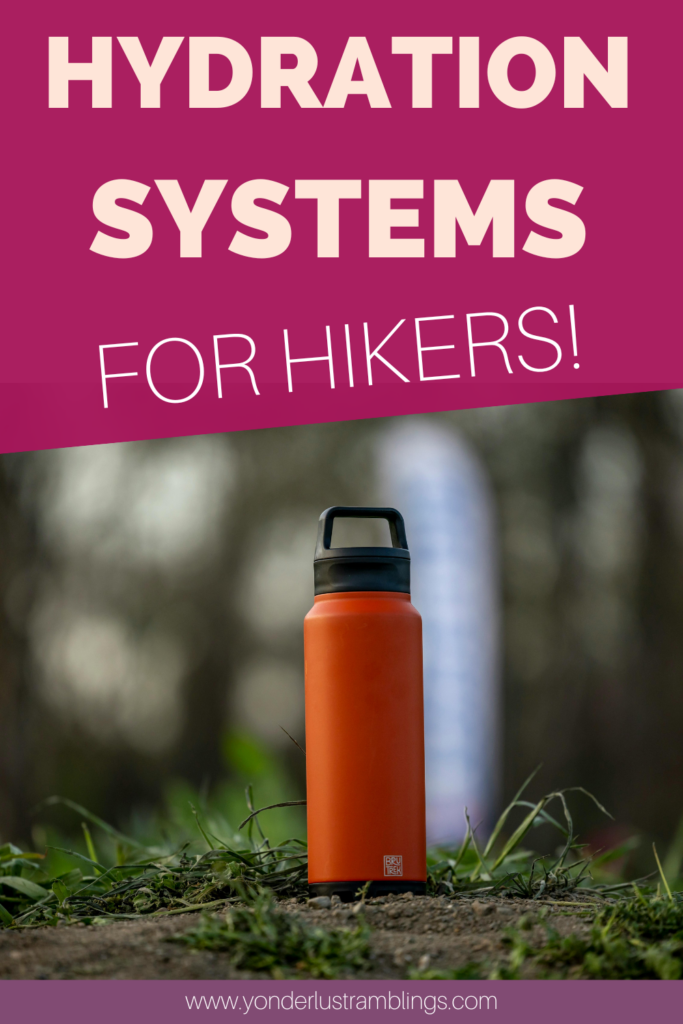
#3: Hard Water Bottles
Traditional water bottles remain one of the most reliable hydration options.
Best For:
- Day hikes
- Casual hiking
- Family hikes
- Cold weather
- International travel
Advantages:
- Durable
- Easy to clean
- Easy to add drink mixes
- Water level is visible
- Less maintenance than bladders
Disadvantages:
- Require stopping or reaching for the bottle
- Can bounce in side pockets if not secured
Many experienced hikers still prefer simple bottles because they’re dependable and easy to maintain. These are the trusty hard water bottles I use.
#4: Hydration Vests
Hydration vests combine storage with accessible hydration. They are usually paired with hydration bladders and/or soft, collapsible flasks.
Best For:
- Long distance hiking
- Trail running
- Fastpacking
- Endurance events
Advantages:
- Water is easily accessible
- Front pockets hold snacks, phone, and maps
- Better weight distribution than many backpacks
- Comfortable for high movement activities
Disadvantages:
- Limited gear capacity
- May not be ideal for bulky layers or overnight gear
Here’s the hydration vest I use for most of my moderate to challenging hikes and big trail runs.
#5: Backpack Hydration Systems
Many hiking backpacks are designed with internal sleeves for hydration reservoirs.
Best For:
- Day hiking
- Backpacking
- National park hikes
- Mountain adventures
These systems combine the convenience of hydration bladders with the storage capacity needed for longer outings.
#6:Water Filters
Water filters are essential whenever you’ll need to refill from natural water sources.
Best For:
- Backpacking
- Multi day hikes
- Remote wilderness
- Desert hiking with limited water caches
Popular Filter Types:
#1: Squeeze Filters
Lightweight and extremely popular with thru hikers.
Best for:
- Backpacking
- Fastpacking
- Long distance hiking
#2: Pump Filters
Provide fast filtration with minimal effort.
Best for:
- Groups
- Murky water
- Base camping
#3: Gravity Filters
Allow water to filter while you set up camp or prepare meals.
Best for:
- Backpacking groups
- Campsites
- Family trips
#4: UV Purifiers
Use ultraviolet light to neutralize microorganisms.
Best for:
- Clear water sources
- International travel
Keep in mind that UV purifiers do not remove sediment, so pre-filtering may be necessary.
For the majority of my hikes that I bring a filter for (which is almost always), this is the Katadyn BeFree that I primarily use.
Electrolytes and Sodium Replacement
Sweat contains more than just water. It also contains electrolytes that are essential for muscle and nerve function.
Important electrolytes include:
- Sodium
- Potassium
- Magnesium
- Calcium
Of these, sodium is generally the most important to replace during long, sweaty efforts, especially in hot and humid conditions.
When Electrolytes Become More Important
Consider supplementing electrolytes if you are:
- Hiking longer than 2–3 hours
- Hiking in temperatures above 80°F (27°C)
- Sweating heavily
- Hiking in humid climates
- Carrying a heavy backpack
- Hiking at a vigorous pace
Common Sources of Electrolytes
- Electrolyte drink mixes (my favorites are LMNT, TAILWIND, and SKRATCH)
- Electrolyte tablets (these are my favorite electrolyte tablets on Amazon)
- Sports drinks (like Gatorade)
- Salt capsules (one of my main go to’s)
- Natural electrolytes like coconut water
- Salty trail snacks such as pretzels, crackers, chips, salted nuts, boiled and salted potatoes, and jerky
Rather than relying solely on plain water (though still important) during long, hot hikes, many endurance hikers alternate between plain water and an electrolyte drink to help replace sodium losses. I also prefer to utilize various sources (some sports drinks/coconut water combined with regular salty snacks and salt capsules, for example).
Hydration Tips for Hot Weather Hiking
During hot weather hikes:
- Start well hydrated before leaving the trailhead.
- Drink small amounts consistently instead of waiting until you’re thirsty.
- Increase fluid intake during steep climbs and exposed sections.
- Take advantage of shaded rest stops.
- Refill whenever reliable water is available instead of waiting until you’re nearly empty.
- Monitor urine color before and after your hike as one indicator of hydration.
Cleaning Your Hydration Systems
Proper cleaning extends the life of your gear and helps prevent mold, mildew, and unpleasant tastes.
Hydration Bladders
After every hike:
- Empty remaining water.
- Rinse with warm water.
- Allow the reservoir to dry completely with the opening propped open.
- Hang the hose so water can drain.
- Use additional accessories like this hydration bladder drying insert to help
For deeper cleaning:
- Use warm water with a small amount of mild dish soap or cleaning tablets made specifically for hydration bladders.
- Scrub the reservoir and hose using cleaning brushes designed for hydration systems.
- Rinse thoroughly and allow all components to dry completely before storage.
Water Bottles
- Wash with warm soapy water after each trip.
- Clean lids, threads, and straws thoroughly.
- Air dry completely before replacing the lid.
Soft Flasks
- Turn inside out when possible.
- Wash with warm soapy water.
- Allow to dry completely to reduce odors.
Water Filters
Follow the manufacturer’s recommendations.
General care includes:
-
- Backflush squeeze filters regularly.
- Prevent filters from freezing if they contain water, as freezing can damage many filter membranes.
- Store clean and completely dry when recommended by the manufacturer.
Choosing the Best Hydration System for You
Always test out what works best for you, but here are some general tips.
Casual Day Hikes: One or two water bottles or flasks, or small hydration bladder
Moderate Day Hikes: Medium sized hydration bladder
Long Mountain Hikes:
- Hydration bladder plus a backup bottle or a couple flasks
- Water filter if refill opportunities exist
- Electrolyte replacement plan
Backpacking Trips:
- Hydration bladder
- Backup bottle
- Lightweight water filter
- Electrolyte replacement plan
Desert Hiking:
- Carry extra water capacity
- Hydration bladder plus multiple water bottles
- Bring electrolyte replacement
- Know water cache and refill locations before your hike, and bring water filter is applicable
Final Thoughts
I’ve used all of the systems listed above, and they all fit particular situations. Ultimately you need to test out what works best for you and what will leave you feeling confident on the trails. What do I prefer? A typical easy to moderate hike would be a hydration vest with a couple flasks, or a hard water bottle. A more strenuous, longer day hike would be a hydration vest with a small bladder and maybe my soft flasks. For a brutal, full day or multi day excursion, I would bring a medium to large bladder in my hydration best or backpack, soft flasks, and a backup hard water bottle and small, lightweight water filter if appropriate for the setting. And anything more than a couple hours I will have a fueling, hydration, and electrolyte replacement plan with me as well.
The best hydration system is the one that encourages you to drink consistently, fits comfortably, and matches the demands of your adventure. Whether you prefer a simple water bottle, a hydration bladder, or a full hydration vest with soft flasks, staying ahead of your hydration needs can improve performance, reduce fatigue, and help keep you safe on the trail.
For endurance hikers, especially those tackling long miles or challenging conditions, combining an appropriate hydration system with smart electrolyte replacement, reliable water filtration, and proper gear maintenance creates a dependable strategy for adventures in every season.
PIN for LATER!